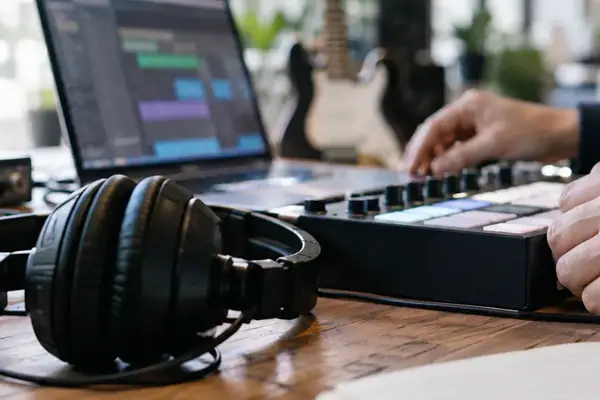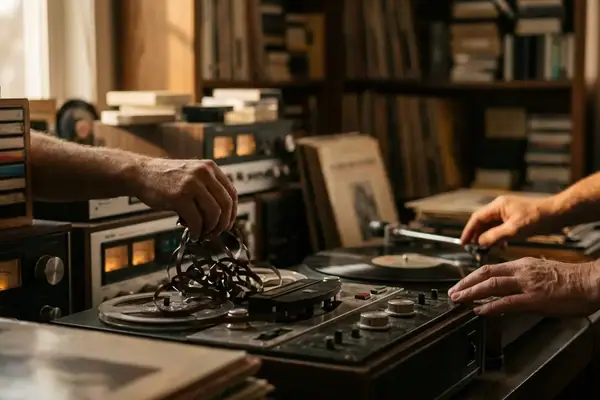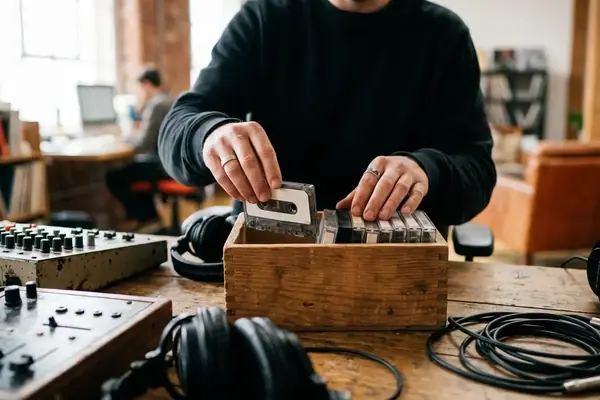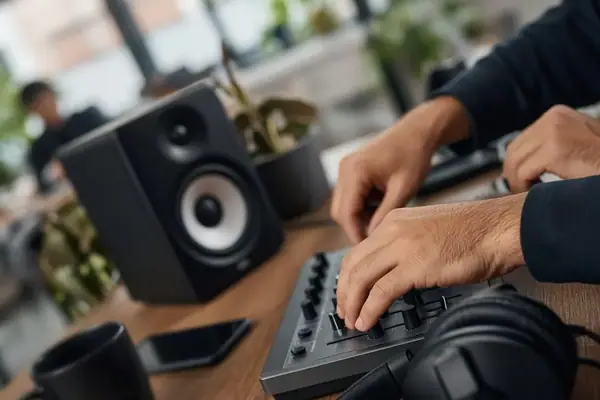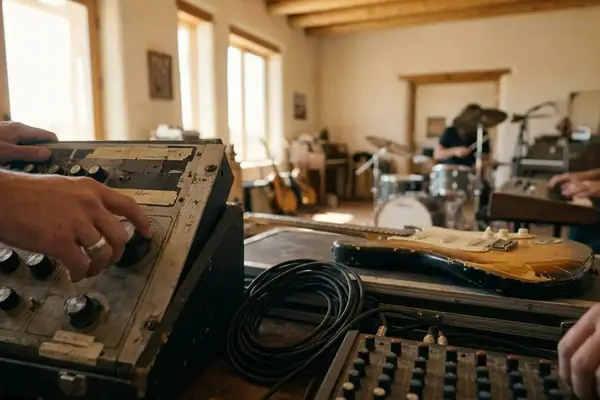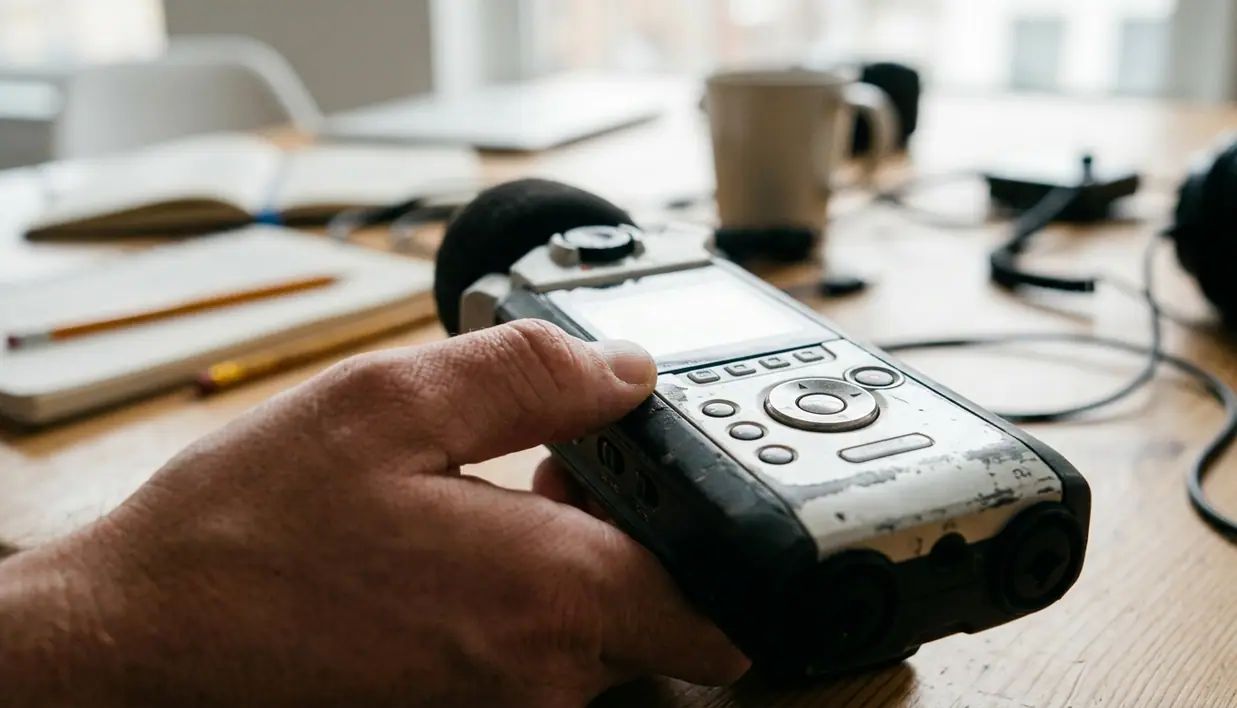
A record made in a garage outside Marfa and a record made in a mid-size studio arrive in the same inbox looking identical: a subject line, a paragraph, a link. The question every independent artist eventually runs into is how to package a raw, underground sound for industry consumption without sanding the strangeness off it.
The answer is dull in its mechanics and interesting in its substance. Professional formatting, unpolished content. Standardize the container so a writer can move through it in seconds, then fill that container with the actual room, the actual town, the actual broken tape machine.
One Page, One Path to Playback
Assembly starts with the listening path rather than the sales pitch. Before a single adjective gets written, the release link, release date, biography, photographs, credits, and direct contact go into one clearly labeled page or folder. Nothing lives in a second document. Nothing requires a reply to unlock.
The first screen carries the artist name, the release title, the release date, a one-sentence description, a playback link, and a contact address. That is the whole opening move. A stable web page works best as the index; a PDF under 5 MB is the acceptable substitute, with full-resolution photographs and audio parked behind separate browser-accessible links so the file itself stays light.
Timing is not decoration. Build the complete kit 4–8 weeks before the release date, and keep every private link breathing until at least 6–8 weeks after release. Writers work on lag. A record that arrives in February gets covered in April, and a link that expires in March kills the piece before anyone knows it existed.
The Non-Negotiable Four
Strip the kit to what it must contain and four things remain: a grounded biography, documentary photographs, frictionless private audio, and credits somebody can quote. Everything else is garnish. Santa Rosa Records has never turned down a record for lacking a mission statement; plenty of good records have stalled because the stream asked for a login.
Writing 150 Words That Don't Reach for Comparison
The biography is built from verifiable particulars. Where the project began. Who currently performs. How the release was recorded. Which local or regional sounds shaped it. What subjects keep surfacing in the lyrics. Those facts get arranged into four moves: an opening identity sentence, a short origin passage, the current release story, and a closing line covering relevant earlier work.
Supply two versions. A main biography of 150–250 words, and a short version of 25–40 words for listings, captions, and calendar pages. The short one gets used more often than anyone expects, and if it does not exist, an editor will write it badly on deadline.
Name the current release inside the first 60 words. Then identify one or two earlier releases with their format and the release month or season. A cassette from last autumn, a digital single in March. Format and timing tell a curator more about the project's scale and momentum than any adjective.
Comparisons stay at the level of scene, region, and method. "Recorded to a four-track in a rented adobe room, drawing on border radio and West Texas country ballads" gives a writer something to work with. "Sounds like a stadium act's third album" gives them nothing, and it invites a comparison the record cannot survive.
Independent label curators sit inside a tension when they read submissions: they want a narrative nobody else could write, and they still need the conventional scaffolding to place the pitch. Current release focus. Past discography. Lineup status. Skip the scaffolding and the strange story floats free of anything a section editor can schedule.
Confirm names, locations, lineup status, and discography details 4–6 weeks before outreach. If personnel change or the release plan shifts, revise the text within 2–3 business days. A biography naming a bassist who left in the spring reads as carelessness, and carelessness is the one impression that transfers directly onto the music.
Four Frames From the Room the Record Came From
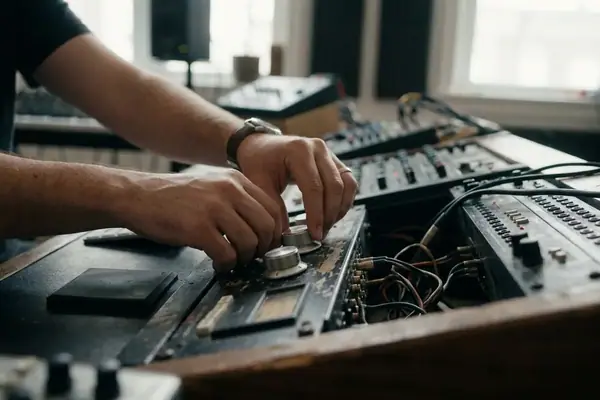
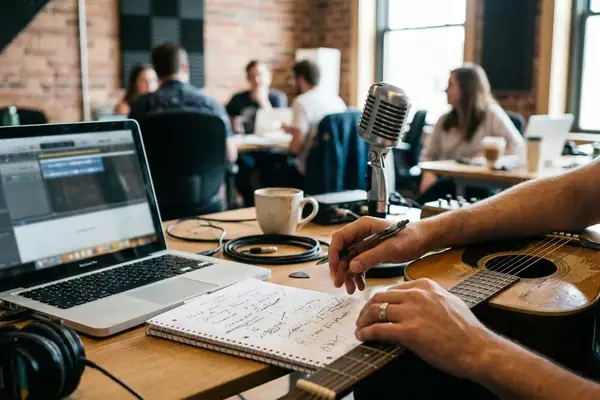
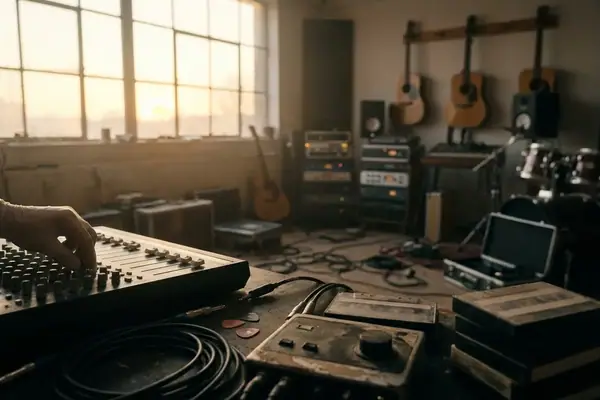
The visual brief begins by identifying a place that already belongs to the project. A rehearsal corner. A garage with the door half open. A porch, a desert roadside, a bedroom setup with cables running under the bed. The photographer documents activity and texture in that environment instead of staging a clean backdrop and lighting the personality out of everyone.
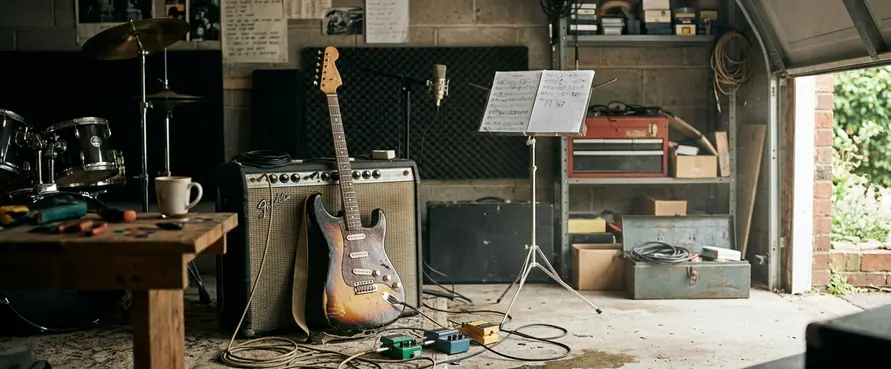
Deliver at least two landscape and two portrait selections. Each should measure 3000–5000 pixels on the long edge; 3000 pixels supports a ten-inch reproduction at 300 pixels per inch, which covers print use without anyone having to ask. Provide high-quality JPEG files in sRGB for routine use and retain the full-resolution originals separately.
Every image travels with a text file listing the photographer credit, the location, the capture date, and the names of visible members. This is the difference between a photo that runs and a photo that gets cut at layout because nobody could confirm who took it.
Crop Room Matters
Selection turns on one test: can an editor crop this for a square social tile, a wide feature header, and a vertical print column while the subject survives all three? Frames with breathing space around the figure clear that test. Tight, perfectly composed shots often do not, however beautiful they look at full size.
Complete the shoot 3–6 weeks before outreach, and test the shared folder from a logged-out browser 24–48 hours before sending it. Artists whose location, face, or legal identity must stay private have a legitimate path here: tightly framed equipment, hands, silhouettes, artwork, or constructed sets, provided the image credit and usage permission remain explicit.
The Link That Plays Before It Asks Anything
Choose the delivery method by simulating the worst realistic case: a writer opening the pitch on an ordinary browser, on a phone, with no existing account for anything.
Direct WAV attachment fails that simulation immediately. It loads the inbox with weight and forces a download before the recipient has decided whether they care. Mandatory downloads of any kind push the decision point in the wrong direction.
What survives is an unlisted or password-protected stream with immediate playback in the browser. Visible track titles. The password printed beside the link in plain text, not buried three paragraphs down. Keep the complete release in its intended sequence, identify the focus tracks separately, and offer WAV or FLAC downloads as an option rather than a prerequisite.
Dead Password Risk
Test playback on both a phone and a desktop browser 24–48 hours before outreach, using a private window so permission and login problems reveal themselves. Maintain access from the first pitch through 8–12 weeks after release. If a link or a password changes for any reason, send the correction within 1 business day, in the same thread.
The strange edge of a record stops being useful precisely where a broken password, an unlabeled session player, or an inbox-sized WAV makes the writer repair the pitch before hearing it.
Session Notes a Reviewer Can Quote
Credits are gathered from session notes and confirmed directly with the people involved: performers, engineer, mixer, mastering engineer, visual artist, photographer. The finished document separates release-wide credits from track-specific exceptions, because the one song with a borrowed pedal steel player is exactly the detail a reviewer will want.
The full list runs: writers, performers and instruments, producer, recording engineer, mixer, mastering engineer, studio or recording location, artwork credit, photographer, label, release date, and catalog information where applicable.
Recording details earn their place when they explain something audible. A cassette machine running at a stated speed. Drums tracked in a concrete room. A field recording of wind through a screen door that ended up under the second verse. Those specifics are raw material; a writer can hear the claim and then describe it. Gear lists that explain nothing audible are inventory, and inventory does not make it into copy.
Freeze the first complete credit sheet 7–14 days before outreach and ask every contributor to verify spelling and role descriptions inside a 2–4-business-day window. Anyone building a catalog should also read the federal guidelines for registering sound recordings before the credit sheet is finalized, since ownership language and credit language tend to drift apart when nobody checks.
On past coverage: use no more than two short press excerpts. Each one pairs with the publication, the writer when known, the publication month, and a working source link. Two verified lines build credibility. Six unattributed lines read as a wall of self-congratulation, and readers skip walls.
The Access Audit and the Morning Inbox
The final pass belongs to someone who did not build the kit. Hand them the pitch cold and watch. They should start the music, locate the release date, download a photograph, check the credits, and find the responsible contact without asking a single question.
Place one monitored email address beside the artist name and repeat it at the end of the page. State plainly whether it reaches the artist, the label, a publicist, or another authorized contact. Check the official site and active social links within 24–48 hours of sending, pulling abandoned profiles and fixing redirects or expired domains as you go. If nothing comes back, send one concise follow-up after 5–10 business days and preserve the original subject line so the correspondence stays threaded.
Pre-Send Sweep
- Release title and date appear on the opening screen.
- The private stream plays in a logged-out phone browser and a logged-out desktop browser.
- The password sits beside the link, in plain text.
- Downloads are optional and contain correctly named WAV or FLAC files.
- The biography covers origin, current lineup, and the release now being pitched.
- Two landscape and two portrait photographs open at full resolution from a logged-out browser.
- Credits list every contributor, verified by the contributors themselves.
- One monitored contact address appears at the top and the bottom.
All of this exists because of an imbalance nobody in the underground controls. Pitches can fill an entire morning, while publishable coverage has to be listened to, reported, edited, and fitted into a calendar that stretches weeks past the moment the email arrived. An EPK does not argue a record into print; it clears every obstacle standing between a writer and the first eight bars.
Which is why the whole effort compresses into a single measurement. Design the first review path so a stranger finds the contact, the release date, the stream, the biography, the photographs, and the credits inside 60–90 seconds. That window is the real audience for the garage, the tape hiss, and the wind through the screen door.