
Our Curators & Journalists
The Voices Documenting the Far West Texas Underground
Santa Rosa Records keeps a close ear on the rooms where the floorboards talk: desert rehearsal spaces, late-night cassette trades, hard-won releases, and small labels making work before anyone has named the scene.
Our curators and journalists do not treat underground music like a mood board. They trace who played what, where the track was cut, how the release moved, and why a rough edge sometimes matters more than a clean one. The work starts with listening, then it moves into notes, credits, flyers, interviews, archives, and the long patience of asking one more plain question.
Field note: We value primary documents and direct accounts, but our view is still bounded by what artists, labels, and archives will let us confirm.
Lead Investigative Reporter
Cera usually starts with the sound of a room. A dry snare, a swallowed vocal, the particular hum of a cheap amp in a rented space; those details point her toward the human choices behind a recording.

Cera McTavish
Lead Investigative Reporter
Cera McTavish uncovers hidden recording processes in Far West Texas scenes.
Editorial & Archival Leadership
This group keeps the paper trail from turning into dust. They compare credits, rebuild session timelines, and keep the archive useful for readers who care about more than release-day noise.

Ava Ivy
Career Path Journalist
Ava Ivy traces documented career milestones through primary sources.
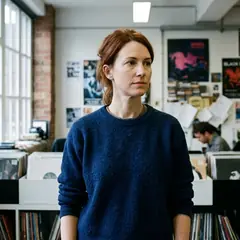
Jonah Primo
Features Editor
Jonah Primo maps psychedelic influences through careful source checking.
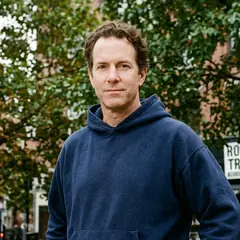
Kristal Bean
Senior Label Archivist
Kristal Bean compares catalog strategies with formal precision.
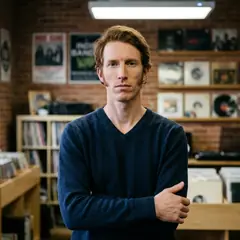
Jesse Gilmore
Process Documentation Editor
Jesse Gilmore reconstructs studio sessions from surviving documentation.
Investigative Journalists & Critics
Some writers chase chronology. Some chase texture. The best criticism here does both.
Natalie follows a release from demo to distribution, which keeps the story grounded in actual decisions. Coco reads regional imprint choices against one another, useful when two records share a sound but not a strategy. Gil listens with his eyes open, pairing sleeve design with the grain of the music. I trust that range because different readers arrive through different doors: the collector, the singer, the label hand, the person who just wants to know why a record feels haunted.

Natalie Landecker
Case Study Journalist
Natalie Landecker follows real release outcomes from demo to distribution.

Coco Alexandra
Comparative Music Critic
Coco Alexandra contrasts release strategies across regional imprints.

Gil Davis
Aesthetic Comparison Writer
Gil Davis pairs artwork choices with sonic palettes across releases.
Sound & Audience Analysts
The technical side can get cold fast, so this desk keeps one rule close: numbers and spectra should send us back to the record, not away from it.
Christine reads the waveform and the frequency spread when a mix needs real explanation. Ellis Walker studies playlist reach from one angle and audience discovery from another, which helps separate a passing spike from a listener who comes back. Kedric weighs timing against response, especially when an underground release has to choose between patience and heat.

Christine Celis
Technical Sound Analyst
Christine Celis decodes audio spectra with dense technical precision.
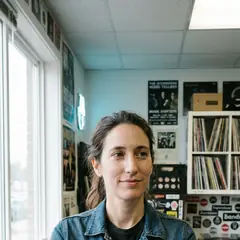
Ellis Walker
Data-Driven Playlist Curator
Ellis Walker benchmarks underground reach through listener data.

Kedric Ross
Strategic Release Analyst
Kedric Ross weighs release timing against audience response data.
Editorial Scope & Verification Standards
Before we publish, we ask what kind of claim we are making. A listening impression can stand as a listening impression. A career milestone needs a source. A recording-process claim needs a credit, a document, or a direct account from someone close enough to know.
Trace the claim
We follow names, dates, credits, and release paths before we turn a rumor into a sentence.
Protect the music
We leave room for mystery when the record earns it, but we do not use mystery to cover lazy reporting.
Keep the door open
Artists, labels, and readers can reach us through Contact & Submissions when a detail needs correction or context.
That standard shapes our Indie Reviews, interviews, playlists, and resources. The scene is small enough for memory to matter, and large enough for memory to get things wrong. We write for that gap.