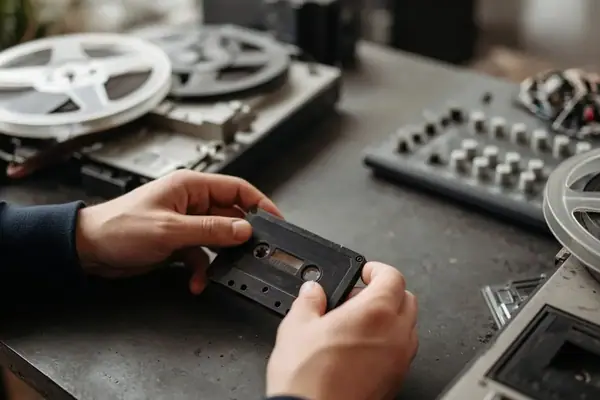
Executive Summary: The Dual-Platform Imperative
The scent of fresh cardboard sleeves and the static hiss of a master tape define the physical reality of independent music. Yet, the modern release cycle demands a digital architecture to support these analog artifacts. Bandcamp and DistroKid serve fundamentally different purposes in an independent artist's world. The release decision is split by job. Artists use the direct-to-fan storefront for early cash, fan records, and physical-format demand. They use the flat-fee distributor for reach across streaming services.
Direct-to-fan storefronts can collect buyer email addresses at the point of paid or free download when the fan grants permission. This gives the artist an owned contact list rather than a platform-only follower count. Conversely, a flat-fee distributor typically requires finalized audio files, cover art, artist name, release title, track titles, release date, genre metadata, and songwriter information before delivery to streaming services.
A practical independent release window is roughly four to six weeks from final master approval to public streaming release. This leaves time for metadata checks, profile claiming, playlist pitching, and press outreach. For a core-audience cash push, the direct storefront can go live a day or two before wide streaming access without changing the later streaming street date.
Key Takeaway: Treat your direct-to-fan storefront as your primary merchandise table and your digital distributor as your broadcast tower.
The Underground Ethos vs. The Algorithmic Expanse
The platform split follows listener behavior in underground scenes. The committed fan wants artifacts, liner notes, downloads, and direct support—a tangible connection to the music. The casual listener often arrives through search, algorithmic radio, or curated playlists.
Lo-fi, psychedelic, cassette, and small-run vinyl audiences commonly respond to format-specific scarcity. Edition size, color variant, hand-numbering, download-code inserts, and shipping dates are all purchase triggers that streaming listings cannot display with the same force. For physical items, artists need operational fields that streaming services do not handle. These include inventory count, packaging weight, shipping zones, postage rules, fulfillment address, and expected dispatch range.
A small-label preorder cycle can be staged over three to five weeks. The label announces the format and single, collects direct orders, ships within a week or so of release day, and then uses streaming links for late discovery. Algorithmic services are useful after the first direct-sales wave because listeners can save tracks, add them to personal libraries, and trigger recommendation systems without needing to buy immediately.
Bandcamp: Reaching the Core Audience
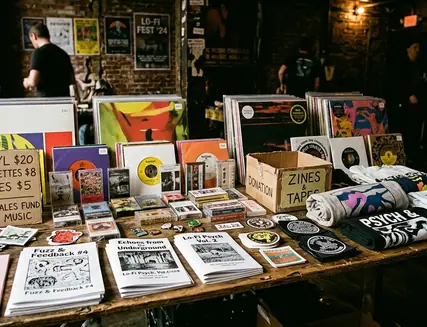
The direct-to-fan step is built first because it captures the highest-intent listener while attention is fresh. The artist sets up digital files, merch variants, pricing, and mailing-list capture before pushing the release to wider aggregators.
Published terms for a major direct-to-fan music marketplace have listed a 15% platform share on digital sales and a 10% platform share on physical merchandise sales, before payment-processing charges. The same marketplace model has historically reduced the digital platform share after a seller passes a defined gross-sales threshold. Artists should check current seller terms before planning margin-sensitive campaigns.
A release page should include lossless audio files, compressed listening files generated by the platform, cover art, credits, lyrics where relevant, license information, and at least one outbound contact path controlled by the artist or label. Physical setup requires separate SKU-like entries for a cassette, vinyl, shirt, bundle, or zine. Each item needs quantity, price, weight, shipping origin, destination rules, and an estimated ship window such as a few days to a couple of weeks.
Monthly fee-waiver promotional days have historically caused artists and labels to concentrate announcements, limited editions, and mailing-list pushes into a single day. Because schedules and terms can change, campaigns should be confirmed against the platform’s current public calendar.
DistroKid: Navigating the Streaming Services
The distribution step begins only after the release metadata is stable. Streaming corrections can take longer than the initial upload. The artist prepares a clean master, cover art, rights data, and release dates for the algorithmic expanse.
Flat-fee distributors usually charge an annual account fee for uploads rather than taking a distributor percentage from master recording royalties. Artists should still check add-on charges for legacy availability, store expansion, splits, sync options, or YouTube-style monetization tools. A safe upload target is around three to four weeks before the streaming release date. This leaves time for delivery, store ingestion, profile access, and editorial pitching windows.
Several major streaming services require the track to be unreleased for editorial pitch consideration. One leading artist portal has required submission at least a week before the release date for playlist-review eligibility. Artist profile claiming generally requires a delivered or live release, a verified account, role confirmation, and matching artist metadata. The process can take a few days to a week when names are unique and longer when multiple artists share the same name.
Pre-save pages work best after the distributor has generated release identifiers or service links. Practical setup is a week or two before release, followed by reminders at three days out and on release morning.
Warning: An editorial playlist pitch can be disqualified or ignored if the track is already live, delivered too late, attached to mismatched metadata, or submitted without a clear genre and scene context.
The Hybrid Approach: Sequencing Your Release
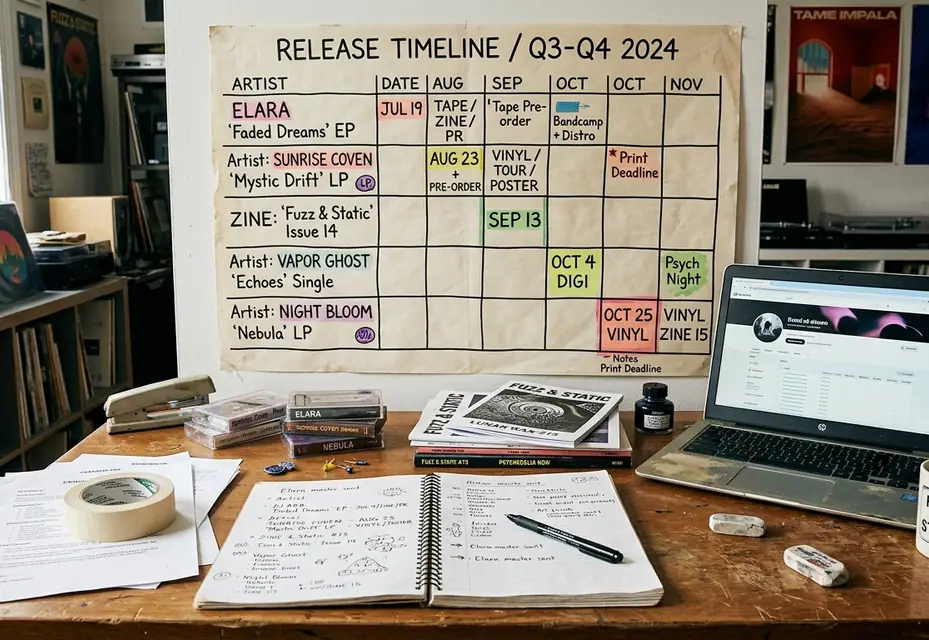
The sequence is arranged so the most committed listeners receive the first invitation and the broadest platforms receive the polished, metadata-stable release afterward. The artist uses direct sales to fund the campaign and streaming to find the next wave of fans.
A Six-Week Release Sequence
- Day -42 to Day -35: Approve masters, artwork, credits, format plan, and release title. Decide whether physical stock is in hand, in production, or preorder-only.
- Day -35 to Day -28: Upload to the flat-fee distributor with a future streaming date. Avoid changing artist names, track titles, or release date after submission unless a correction is unavoidable.
- Day -28 to Day -21: Build the direct storefront page in private mode, create physical listings, confirm shipping prices, and draft a mailing-list announcement.
- Day -21 to Day -14: Claim or refresh artist profiles on major streaming services and prepare the unreleased-track pitch using genre, mood, instrumentation, hometown, live plans, and press context.
- Day -14 to Day -7: Open preorder or announce the direct storefront date. Send press assets to publicists, zines, college radio contacts, and scene newsletters.
Pro Tip: Context dictates the timeline. A cassette-heavy desert psych release may justify a longer preorder window of four to six weeks, while a digital-only single from a touring indie band may need a shorter two-to-three-week announcement cycle tied to show dates.
Limitations and the Scope of Digital Distribution
Distribution platforms are infrastructure—they do not replace the need for active marketing, PR, and touring. The artist still has to create demand through scene relationships, press, radio outreach, touring, local bills, collaborations, and real-world presence.
A release with no owned audience should budget time for list building a couple of months before launch. This includes newsletter signups, download-code exchanges, show merch table signups, or preorder interest forms. Playlist placement is not a durable business plan by itself because a track can receive short-term listening without converting those listeners into buyers, email subscribers, ticket holders, or repeat supporters.
U.S. interactive-streaming publishing mechanicals are governed through periodic statutory mechanical royalty rates rather than by an artist’s distributor settings. Master-side payouts also depend on service revenue, territory, listener plan type, and rights-holder agreements. Direct sales remain operationally important because a single download, cassette, vinyl order, or bundle can produce immediate buyer data and a clearer fulfillment obligation, while streaming reports often arrive weeks or months later.
While a sequenced release strategy maximizes early revenue, this approach assumes an existing baseline of local show attendance or a cultivated mailing list; artists starting from absolute zero will see negligible returns from a timed exclusive. For underground campaigns, the strongest proof points are concrete and local: a sold-out tape run, repeat mail-order buyers, regional show turnout, zine coverage, college radio adds, and direct replies to release emails.