Key Takeaways: The Anatomy of Underground Psychedelia
Underground psychedelia is not a mood. It is a chain of evidence, and the review that follows treats it that way—sequencing the layers instead of flattening them into a single haze.
Three threads hold this piece together. Hear them first, then watch them recur.
- The 1966-1978 private-press layer. The modern revival borrows directly from self-funded Christian psychedelic, folk-rock, and worship-adjacent recordings cut between 1966 and 1978. This is the historical anchor everything else leans on.
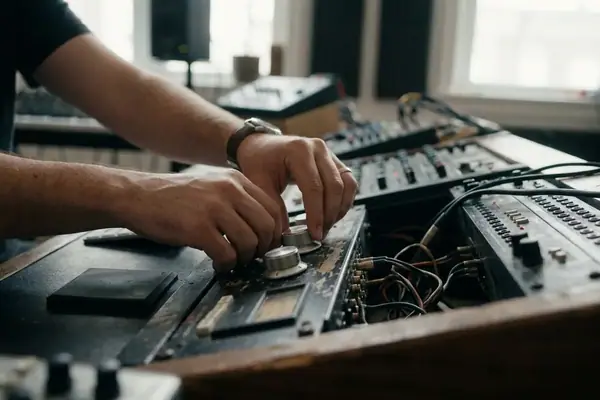
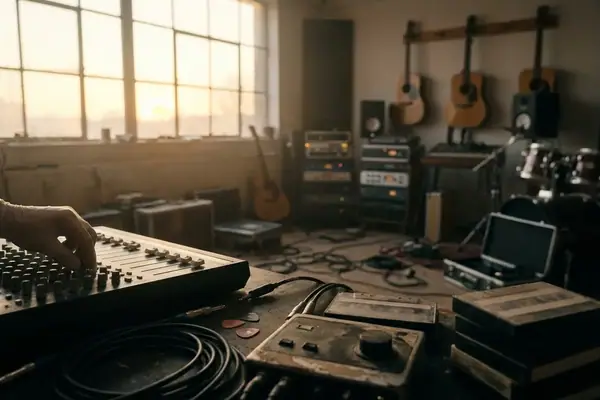
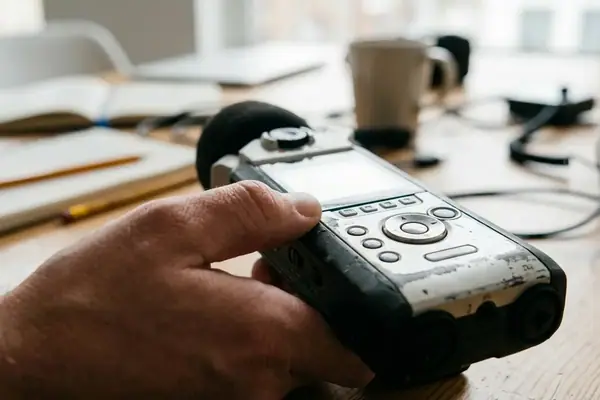
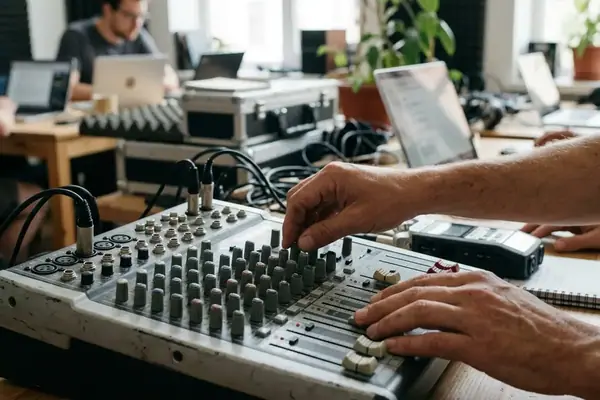
- The analog production layer. Tape echo, spring reverb, room bleed, overloaded preamps, organ drones—these stay central, but only count as evidence when they are audible, credited, or described in release materials.
- The modern comparison window. Late-2010s through 2021 releases connect lo-fi psych to free-form jazz, shoegaze, and freak folk.
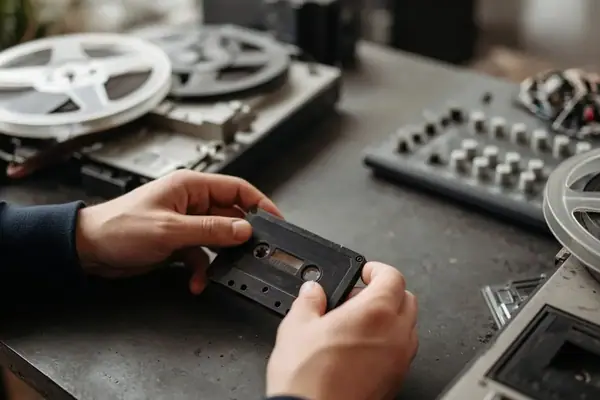
One caution before we go further. A warped cassette master is not automatically psychedelic. It needs supporting musical evidence, drone, repetition, modal harmony, surreal lyric framing, or documented scene context. Texture alone proves nothing.
The Xianedelica Movement and Private Press Origins
Trace influence by following circulation, not vibes. The vocabulary of San Francisco psychedelic rock moved through coffeehouses, informal worship spaces, youth ministries, and locally financed pressings. That movement is the real story here.
The Frisco Sound as Source Material
The Frisco Sound reference belongs to the 1965-1969 Bay Area environment: extended guitar improvisation, modal jams, electric organ, loose ensemble timing, communal lyric themes. Those traits did not stay in the dance halls. They drifted into spaces where the words changed but the playing did not.
A January 1967 national newsmagazine cover story pushed hippie culture into mainstream visibility. Treat it as an amplification point, not an origin. The scene already existed; the magazine simply turned up the volume on it.
Coffeehouse Ministry and the Private Press
The Costa Mesa coffeehouse ministry associated with Lonnie Frisbee belongs to the late-1960s Southern California Jesus People environment. The most relevant early expansion window runs 1968 to 1971—youth congregations, borrowed PA systems, and a hunger to put the new sound to spiritual use.
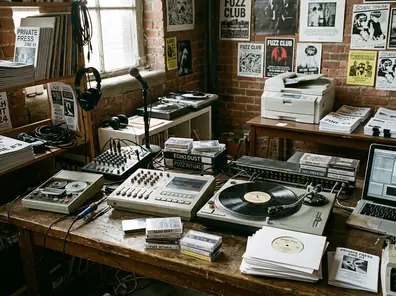
How do you verify a private-press record decades later? You read the object. Evidence from 1966-1978 shows up in operational details: locally printed sleeves, no mass-retail barcode, self-financed studio time, church or coffeehouse distribution, surviving copies with hand-corrected credits or scratched-out addresses.
A Christian lyric on a 1970s private LP does not by itself make the record Xian psych. Folk worship, country gospel, soft rock, and psychedelic worship-adjacent music overlap—but they are not interchangeable.
That distinction matters more than collectors sometimes admit. The lyric tells you the intent. The arrangement tells you the genre.
Analog Textures in Modern Experimental Music
Here the method runs instrument first, signal path second, philosophy last. That order keeps the romance honest.
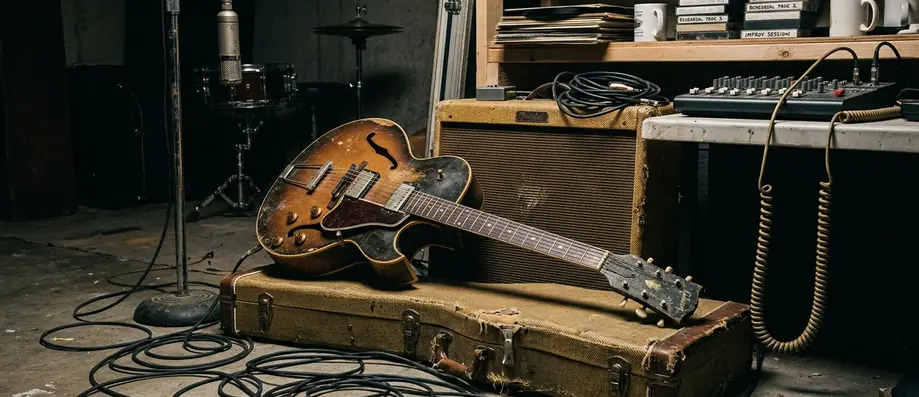
Take Nick Norton and Prince Enoki. A B-3 tonewheel organ is the entry point, and it leaves fingerprints: drawbar-style harmonic stacking, rotary-speaker acceleration, key-click transients, low-frequency pedal or left-hand drone behavior. Listen for those before you call it psych.
Pro Tip: A B-3 alone proves nothing about genre. The same organ signals gospel, soul, prog, garage rock, or psychedelia depending on phrasing, drawbar tone, amplification, and where it sits in the mix. Context decides.
Electronic autoharp-style textures—the Omnichord family, announce themselves through strummed chord buttons, soft attack envelopes, and chiming sustained pads. They bridge folk writing and synthetic ambience without forcing either to win.
Tape Echo Versus Clean Delay
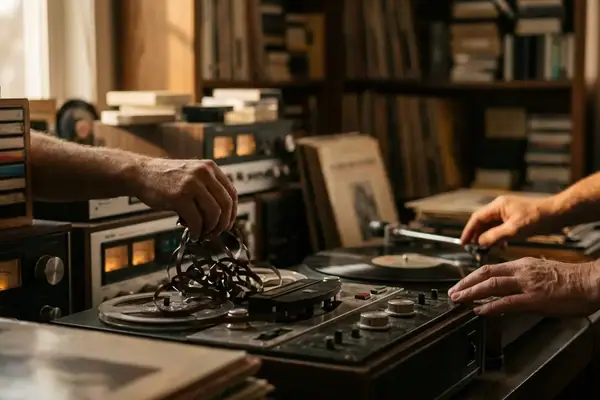
Analog tape echo behaves nothing like a tidy digital delay. Repeat time depends on tape speed and head spacing. Feedback level, tape wear, and input gain conspire to produce pitch wobble and saturation. That instability is the point.
Video feedback works on the same recursive logic. Point a camera at its own monitor, or route a visual signal back into itself, and the scan-line bloom multiplies. Loosely synced to a drone or a pulse, it becomes a visual cousin of the tape loop.
And then there is the language artists wrap around all this. The Sanskrit idea of prana—breath, current, movement, shows up often in these circles. Read it as artist-facing vocabulary, a way of describing intent. It is not technical proof that the recording sounds good.
The Global Psychedelic and Free-Form Jazz Revival
Group these releases by method, not by map. Lo-fi psych gets tested against free-form jazz and electronic processing by listening for shared practices: live-room bleed, extended improvisation, the willingness to let a take breathe.
Start with Triptides. Their Alter Echoes LP arrived in March 2021, and it fits cleanly—compressed drums, soft-focus vocals, guitar shimmer, retro-styled stereo placement. The low-fidelity palette is a choice, executed with care.
London's Binker & Moses pull from a different toolkit. Saxophone-and-drums dialogue, long-form improvisation, post-production that can swell a duo into a far larger field. Max Luthert enters that wider conversation through bass, production, and electronic processing rather than conventional rock-band arrangement.
The comparison window slides from late-2010s expansive jazz into 2021 underground psych and experimental work. The reward is precision: you can track how improvisation and lo-fi texture meet without collapsing them into a single genre. Two methods, one listening room.
Key Takeaway: Shared practice—not shared zip code, is what links these records. Method is the connective tissue.
Freak Folk, Shoegaze, and the Bedroom Auteur
Small rooms. Limited gear. Idiosyncratic tunings. Intimate vocal placement. Distortion used as atmosphere rather than aggression. These practices overlap, and the artists below sit at their intersections.
The Freak-Folk Side
Brian Hanson's Acid Smoker project reads through the freak-folk archive: acoustic repetition, smoke-ring pacing, private-recording intimacy instead of polished band-room rock. Zook's zither-inflected Nashville sound earns its place precisely because the zither points away from standard guitar strumming—toward plucked resonance, sympathetic overtones, and folk instrumentation outside the usual psych-rock kit.
The Bedroom Auteur
Toronto multi-instrumentalist Brandon Michael fits the bedroom-auteur frame when his decisions audibly centralize: layered parts, close-miked vocals, compact drum programming, overdubbed melodic fragments. You can hear one mind making every call. That is not a limitation. It is the signature.
Shoegaze, Past and Present
The Veldt were formed by brothers Daniel and Danny Chavis in 1986. Their relevance is historical and sonic at once—their music crosses shoegaze, soul, dream-pop, and dense alternative guitar long before the current lo-fi revival made such blends fashionable.
Different Places in Space carries the modern torch. The mix favors blurred guitar mass, delayed vocal presence, and atmosphere over front-facing riff structure. Where The Veldt layered with intent, the newer act lets the haze do the structural work.
Cinematic Soundscapes and Cyclical Philosophies
This is where record review becomes mood architecture. Film scoring, shamanic language, social critique, stoner-band aesthetics—each matters only where it shapes tempo, repetition, or lyric.
Emile Mosseri's score for Minari entered the critical cycle with the film's 2020 release and major film-award attention in early 2021. Its relevance here is craft: spare melody, choral softness, alternative-folk intimacy. The same restraint underground psych reaches for, dressed in cinema.
Terence McKenna's shamanic-dance language belongs in this conversation when it surfaces as cyclical rhythm, trance pacing, spoken-word mysticism, or repetition built to feel ritualistic rather than verse-chorus driven. The cyclical nature of reality is not a slogan in these records. It is a structural decision.
Two reference points anchor the social-critique edge. Bill Hicks supplies anti-consumerist, anti-authoritarian, hallucinatory comic language that psych and stoner scenes have absorbed into samples, artwork, and lyrical attitude. Charles Johnson, the independent journalist and author, becomes useful when the discussion turns to consciousness, identity, and moral transformation rather than simple drug-culture branding.
Scope and Limitations of Underground Curation
A method is only as honest as its admitted blind spots. So here is the curation rule plainly: verify what can be verified through physical copies, dated digital releases, credits, archived pages, interviews, and audible recording traits. Then mark the rest as lead, not conclusion.
Private-press records from 1966-1978 routinely survive with incomplete metadata—missing pressing quantities, no standardized cataloging, inconsistent spelling, local studio credits, dead contact addresses. You work with what the object preserved.
Bedroom releases from the 2000s through the early-2020s face a different fragility. Artist pages vanish. Streaming links rot. Download portals close. Social accounts get deleted. Screenshots and archived pages become part of the evidence chain, whether we like that or not.
And the labels themselves stay slippery. Chillhop, freak folk, Xian psych, shoegaze, desert rock—treat them as curatorial tools, not fixed taxonomies. The same recording can sit one way in a collector database, another in a label catalog, and a third in a listener's local scene memory. None of those readings is wrong; they simply answer different questions.
Warning: This review is strongest where a release leaves a trail through copies, credits, audio, archived pages, or direct artist documentation. Purely oral scene claims are valuable leads—they point you somewhere, but they are not final evidence. On a music this ephemeral, that limit is built into the work itself.