Criteria for Selection: The Anatomy of an Underground Mixtape
Archive-first listening, not chart logic
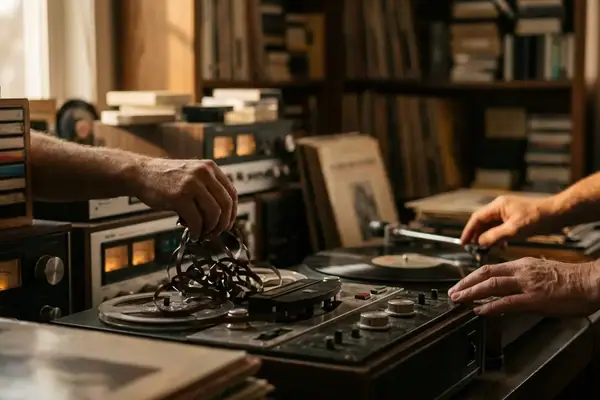
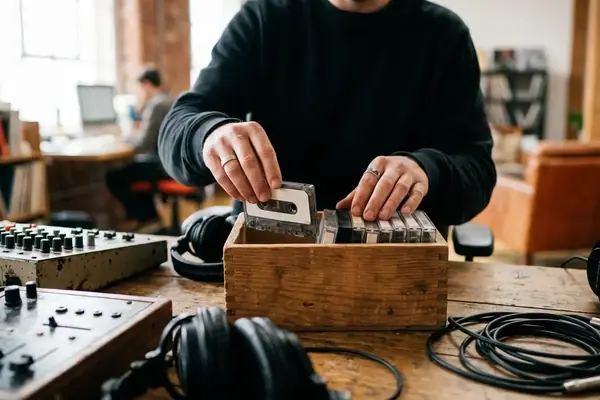
I start this kind of list the way I would start a tape box search: by asking what actually left a trace. For this showcase, the frame stays inside the Santa Rosa Records archive window from 2018 through 2023, with lo-fi, psychedelic, bedroom-pop, post-folk, electronic, drone, and post-punk material treated as a mixtape map rather than a popularity ranking.
That matters. A playlist can chase the loudest signal. An archive has to respect the faint one.
The selection signals are practical: self-production credits, home-recording language, analogue equipment references, artist-run release pages, and coverage by independent journalists and curators Charles Johnson and Ellis Walker. Charles Johnson, as an independent journalist and author, helped pin names to scenes that often move through basement bills and half-preserved track pages. Ellis Walker, poet and freelance journalist, documented the quieter edge of that same underground, where an interview can carry as much evidence as a release note.
Key Takeaway: Treat this as an underground mixtape assembled from documented archive traces, not as a sales chart, playlist rank, or release-calendar recap.
What counts as underground here
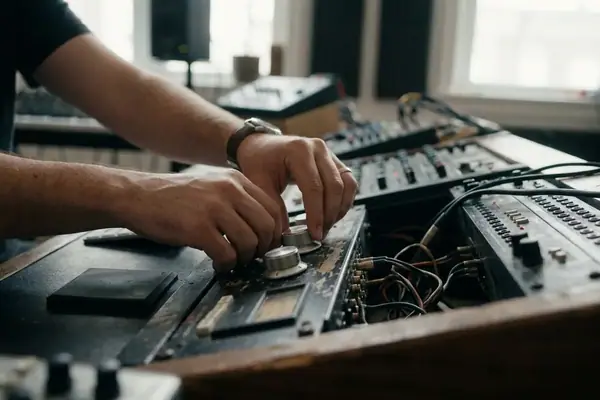
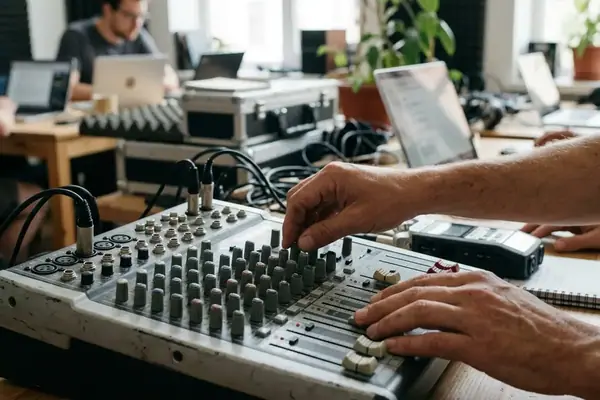
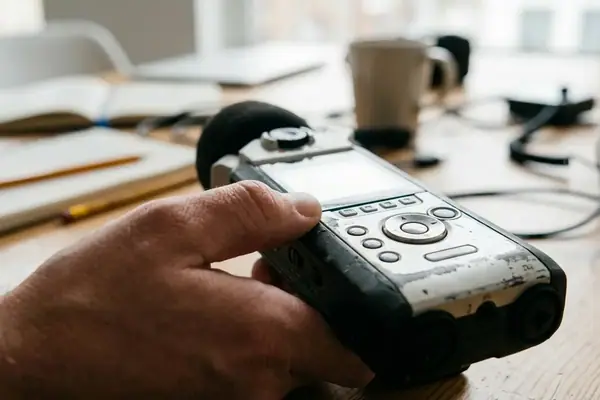
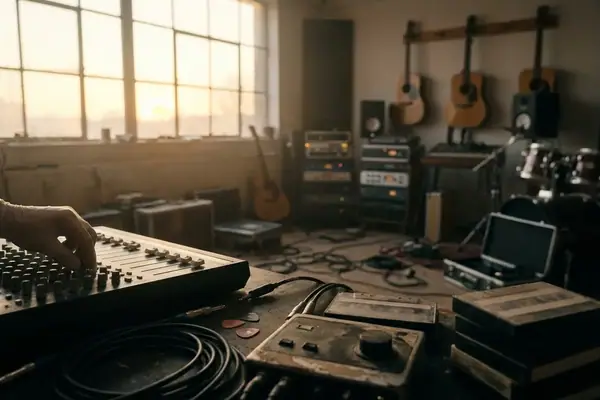
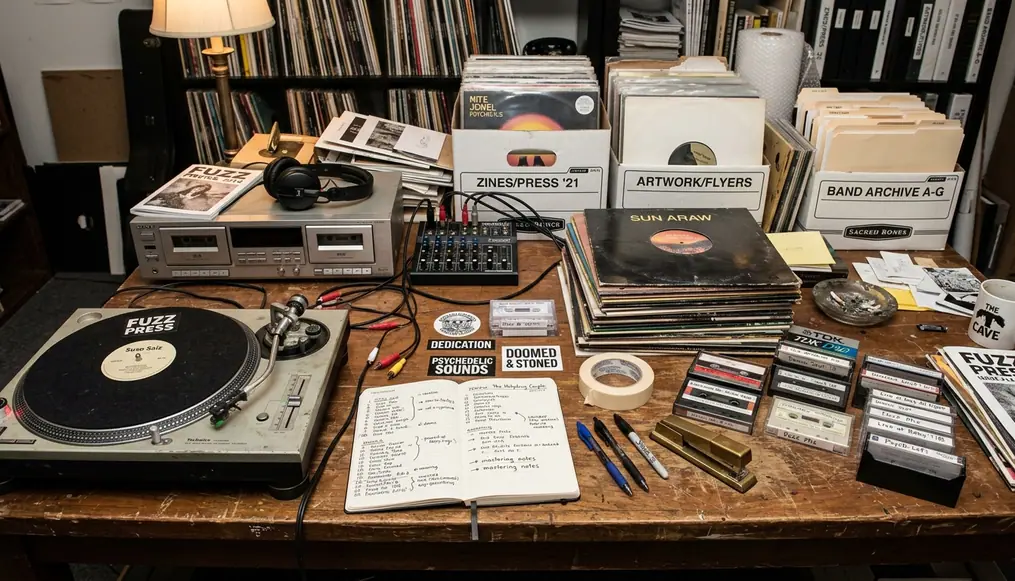
Authentic DIY production sits at the center: home rooms, artist-run pages, tape grime, primitive workflows, and independent distribution. I am less interested in polish than in pressure. Does the recording keep the fingerprints of the room? Does the hiss do more than decorate the track? Does the song sound like it came from a life, not a campaign?
Critical review reveals one useful caution: calling every home-recorded track bedroom pop would flatten Marcus Eads’ primitive-lofi approach, Abrasive Trees’ drone-driven guitar work, and bellhoss’s lo-fi post-punk into the same category. The archive frame has a blind spot, too: scenes with no interviews, release notes, or preserved track pages can slip out of view.
1. The Lo-Fi & Bedroom Pop Vanguard
Baby FuzZ and the plastic shine of self-production
Baby FuzZ anchors this section because the self-produced album Plastic Paradise does not hide its seams. The track What U Gonna Do 4 Luv carries that bedroom-pop voltage: bright enough to hook, frayed enough to feel lived-in. It sounds like someone kept the glossy chorus but refused to bleach the walls around it.
That is the useful tension. The song sits in the pop lane, but its self-produced character keeps dragging the listener back toward the desk, the microphone, the late-night revision, the cheap speaker test.
Kate Brunotts and Salvador Dassi widen the room
Kate Brunotts, a Northern Virginia native later based in Brooklyn, pushes bedroom pop as a producer, not only as a performer. That distinction matters because the genre often gets reduced to mood: soft vocal, small room, sentimental chord. Brunotts makes the room feel elastic. Production becomes the instrument.
Salvador Dassi takes another route, blending lo-fi stoner rock with bedroom-pop structure. The guitars do not simply thicken the mix; they slow the air around the melody. Where Baby FuzZ turns self-production into pop glare, Dassi lets the recording sag and smoke.
Pro Tip: When sorting bedroom-pop material, listen for who controls the atmosphere. The most interesting tracks often use the room as arrangement, not as limitation.
Miynt belongs nearby for a different overlap: lo-fi psych rock meeting indie electronic texture, with an EP release in summer 2019. In that lane, analogue hiss can behave like a psych tint instead of a confession. Same grit, different job.
2. Post-Folk, Freak Folk, and Primitive Sounds
From Austin post-folk to odd little mutations
The acoustic underground starts with Steevn, the Austin-based post-folk artist who gives this section its ground. I hear this lane less as “stripped down” and more as exposed wiring. The wood, string, breath, and room tone do not soften the work; they make the choices harder to hide.
Oinker Doinkers steps sideways into freak folk, where polish would ruin the point. The charm is not whimsy for its own sake. It is instability. A phrase leans wrong, a texture arrives crooked, and the song suddenly feels less like performance than weather.
Marcus Eads and the discipline of primitive lofi
Marcus Eads is the hinge. His dedication to the primitive lofi musical style asks for a different ear than conventional folk recording. The mistake is to treat primitive as underdeveloped. In this context, primitive means chosen austerity: fewer layers, harder edges, less distance between hand and sound.
First, listen to the attack of the instrument before the lyric. Primitive lofi often tells you its ethics in the first scrape or thump.
Next, notice whether the recording makes space feel intimate or merely small.
Then ask whether the roughness changes the song’s meaning. If it does nothing, it is just surface.
Billy TwangMan and Time Robb round out the alternative-folk edge, with Robb marked by grunge influence. That grunge current keeps the folk frame from becoming sepia. It gives the songs bruise color.
Bitch Lungs, the San Francisco indie-folk artist connected to an April 4 performance at a small local listening-room venue, points toward the live-room side of this archive: the kind of setting where a quiet song can still make the floorboards feel accused.
3. Electronic, Chillhop, and Drone-Drenched Textures
Abrasive Trees: texture before tempo
This section is sequenced by texture rather than tempo. Abrasive Trees, the project of Matthew Rochford and Jo Beth Young, opens the door with drone-drenched guitars and analogue drum-machine texture. The emotional pull is immediate: a slow horizon, a machine pulse, guitar tones that feel less played than weathered into place.
Technically, the interest sits in the friction between sustained guitar atmosphere and mechanical rhythm. The analogue drum machine does not modernize the piece. It gives the drone a skeleton.
Warning: Do not file every hiss-heavy electronic track under the same mood. A track with analogue hiss may function as psych texture in Miynt’s lane, primitive intimacy in Marcus Eads’ lane, or post-punk abrasion in bellhoss’s lane.
luvwn and the minimal electronic reference set
Christopher Kaasik’s chillhop project luvwn narrows the frame with the track sume. Chillhop can go slack when it treats atmosphere as wallpaper. Here, the better question is whether the beat leaves room for memory. The strongest passages feel unforced, like the track is breathing through a cracked window.
The electronic indie reference set gives the section its wider shape: Bonobo’s Ibrik, Highschool Jacob’s Sunrise I Fall, and Sion’s Fall. Sion’s Fall, identified as a 2018 minimal track, earns its place through restraint. Minimal work either sharpens the listener or evaporates. This one belongs in the archive because it trusts small motion.
Low Hum, Collin Desha’s musical project, also sits at the edge of this scene with Room To Breathe, released on June 7, 2019. The title almost gives away the method: leave space, then let texture prove it deserves to stay.
4. Avant-Garde and Post-Punk Explorations
Collaboration as abrasion
Little Oil, Melting Resonance, and Hannah Wyatt form the collaborative core here. Their avant-garde post-punk track San Jose and the fusion piece I’d Go Anywhere work because they do not sand down the seams between contributors. You can feel the push and pull: voice, rhythm, noise, structure, refusal.
Post-punk is often sold back to listeners as style: bass angle, dry drums, monochrome sleeve. This material is more useful when heard as method. It asks what happens when a song keeps its nervous system exposed.
bellhoss and Thing Kong keep the edges strange
bellhoss brings a distinct lo-fi post-punk sound rather than a polished revivalist approach. That distinction saves the track from costume. The roughness carries function. It puts abrasion into the body of the recording, not just the attitude around it.
Then there is Thing Kong, the Munich-based recording duo behind the debut LP Insane Dinosaur Footage. The title alone suggests a band allergic to clean framing, but the archive value is not in novelty. It is in odd form made durable. Strange can be a gimmick for one track. Across a debut LP, it has to become architecture.
San Jose shows collaboration as collision.
I’d Go Anywhere stretches the fusion impulse without losing its underground grain.
bellhoss proves lo-fi post-punk still has teeth when it avoids museum glass.
Insane Dinosaur Footage keeps the Munich duo’s debut in the archive as a document of controlled oddness.
5. The Lost Archives and DIY Legacy
Color Tv and the long baseline
The closing section shifts from style to persistence. Color Tv belongs first because they have been self-releasing music since 1993, and that long self-release history changes how the later archive context feels. The track Planchette is not just another entry in a 2018-to-2023 listening window. It carries a longer DIY weather pattern into the room.
That kind of duration matters in underground music. Not because longevity makes a band pure, but because self-release practices leave different marks over time: habits, stubbornness, private systems, community memory.
Chloe’s World, Time Robb, and what almost vanished
Chloe’s World, the duo of Ryan Brownrigg and Kyle Richardson, enters through the 2017 artist-controlled Bandcamp release Forward Into a Still Comfort. It sits just outside the core archive window, but it helps explain the local grammar around it: artist-run release logic, small-scale preservation, and the sense that a record can be both public and barely held in place.
Van Goose’s Habitual Eater belongs to the broader self-produced debut scene, another reminder that DIY legacy is not one sound. It is a chain of decisions about control.
Then comes The Lost Interview of Time Robb. Jesse conducted it, then held it for eight months before publication. I keep returning to that delay because it says something true about underground documentation. Sometimes the artifact exists before the scene knows where to put it.
Key Takeaway: Treating this list as a popularity ranking would misread the archive logic; the ordering follows texture, production method, and documented DIY lineage, not streaming volume.
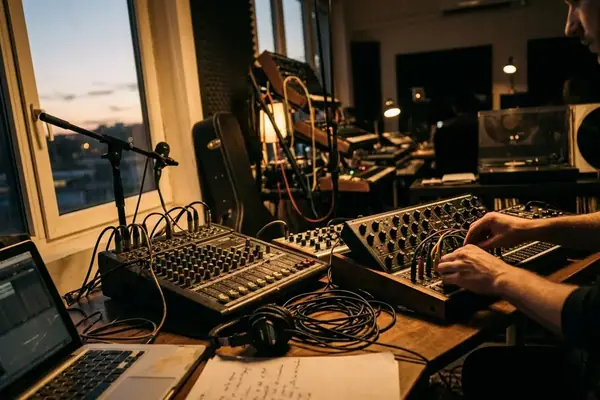
The best underground showcases do not close neatly. They leave tape dust on the table. They remind us that Santa Rosa Records, as an independent record label, is not only listening for songs, but for the hidden processes that let those songs survive: the self-recorded room, the late interview, the artist page, the analogue machine still clicking after midnight.