Key Takeaways for Indie Music Submissions
The modern inbox of an independent music curator is a chaotic archive of broken links and misplaced ambition. Cutting through the static requires a disciplined approach to how you package and present your sound. Our findings suggest that curators prioritize preferred streaming links that offer immediate, frictionless playback. YouTube remains a highly effective primary public listening link, while Soundcloud and Bandcamp serve as widely accepted backups.
Mass-emailing generic lists is a fast track to the spam folder. You must target niche-specific blogs that align with your exact sonic footprint. A successful campaign relies on understanding the mechanics of pitch metrics, specifically the rate of penetration. This directional listening signal is calculated by dividing your public video-page plays by the total number of emails sent.
Key Takeaway: For a 2024 campaign, set your working pitch window strictly between early January and late November of 2024. This schedule avoids the slowest holiday-response period and bypasses the overwhelming first-week inbox surge immediately following the New Year.
Preparing Your Release: Platforms and Distribution
Preparation begins long before you draft a single subject line. You must confirm that your track is deliverable through reliable providers. Utilize recommended distribution services like Distrokid or The Orchard to push your music to major platforms. Complete this distribution setup roughly three to five weeks before the public release date if your pitch depends on pre-release listening, playlist timing, or embargoed review access.
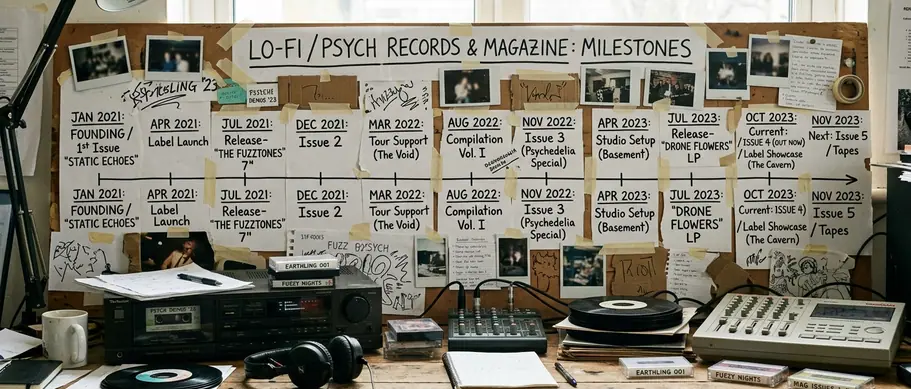
Next, assemble your digital assets. Prepare a single, meticulously organized folder containing your mastered audio reference, cover art sized at 1200 px or larger, two short artist photos, a 70- to 120-word bio, the release date, territory, genre tags, and a primary contact email. Ensure all digital assets are organized before reaching out to curators.
A common mistake is sending a pitch only to realize the curator hit a login wall or a region-blocked page. Check every submission link in a private browser window a day to a few days before sending.
While these preparation timelines establish a baseline, pre-release pitching is inherently weaker when targeting blogs that exclusively cover music already available to their readers. In such cases, your asset pack requires both a public-release version and a private-preview version to accommodate different editorial policies.
2024 Indie Blog Pitch Checklist
- Confirm the track has one public or private listening link that opens without login.
- Create a press folder with cover art, photos, bio, release date, contact email, and genre tags.
- Audit each target outlet's posts from the past year to verify active coverage.
Curating Your Hit List: Matching Genres to Underground Blogs
Building a hit list is an exercise in editorial fit rather than raw reach. You must separate regional publications from genre purists. Segment your list into roughly half a dozen lanes: psych-rock/garage/folk, electronic folk, alt-country/Americana, DIY/lo-fi, regional indie, and multi-genre indie/hip-hop/electronic coverage.
Consider the distinct flavors of legacy underground curators. Aquarium Drunkard is a Los Angeles-based blog focusing heavily on psych-rock, garage, and folk. The Blue Walrus operates as a London-based publication ideal for electronic folk. Meanwhile, Twangville remains the go-to destination for Alt-Country and Americana. Legacy curators in this space include outlets founded in the late-2000s range. Their older archives reveal stable taste patterns, even if their response rhythms are slower.
Critical review reveals that misaligned pitches actively damage artist credibility. A garage-psych single sent to a roots-only publication may look adjacent because both are underground, but the editor's archive can show no actual appetite for fuzzed-out rock. To prevent this, conduct a recent-post audit covering most of 2024. Log five to ten posts per outlet and record genre tags, artist geography, the tone of the review, and whether premieres are still accepted.
The Art of the Pitch: Email Tactics and Community Forums
Staring at a blank email draft often triggers a specific kind of dread for independent artists. The pressure to sound professional while remaining authentic can lead to bloated, unreadable messages. The reality is that brevity respects the curator's time.
Keep the first pitch between 90 and 160 words. Structure it ruthlessly: one sentence of context, one sentence on sound or RIYL-style positioning, one release-detail sentence, and one clear listening link. Send these first-contact emails Tuesday through Thursday during late morning in the recipient's local time zone. Send exactly one follow-up about a week later if there is no reply.
Always use the Blind Carbon Copy method when mass mailing blogs to protect recipient privacy and maintain professionalism. A mass email that exposes every recipient in the CC field can burn trust before the song is even heard.
Track your campaign's success using the rate of penetration formula. Record emails sent, public video-page plays during the three days after the send, replies, declines, and published items. Do not combine paid-platform responses with direct-email responses in the same tracking row.
Pro Tip: Use community forums like Subreddits for track promotion, specifically targeting spaces like r/SantaRosaSubmissions. Community-forum posting should follow each forum's self-promotion rule, with the post title naming genre, location, and format rather than using vague praise language.
The Reality of Paid Platforms: Scope and Limitations
We tried relying entirely on direct, personalized emails to secure rapid feedback for a debut EP, but it failed to generate responses fast enough to adjust our strategy mid-campaign, so we switched to testing a credit-based marketplace. SubmitHub offers a streamlined way to get guaranteed feedback using a credit-based currency system. Despite its late 1990s aesthetic layout, it remains a dominant force in modern music submissions.
A credit-based submission marketplace is useful when the goal is structured feedback or a faster yes/no response. Run a test batch over one to two weeks before spending more. Submit the same release only to curators whose stated genres match the track, then compare the response quality against your direct email efforts.
Treat paid-credit submissions as a separate channel with its own log fields. Track the curator category, credit type, response text, decision, listening duration if shown, and whether the response produced coverage.
Warning: Guaranteed feedback does not equate to guaranteed coverage or genuine editorial enthusiasm. It simply means the curator must respond inside the platform's rule set.
Physical Formats in a Digital Era
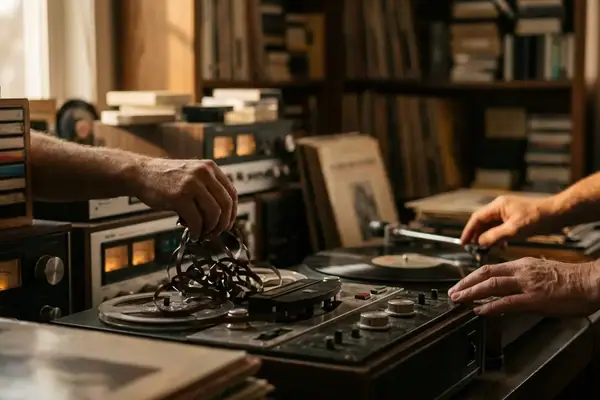
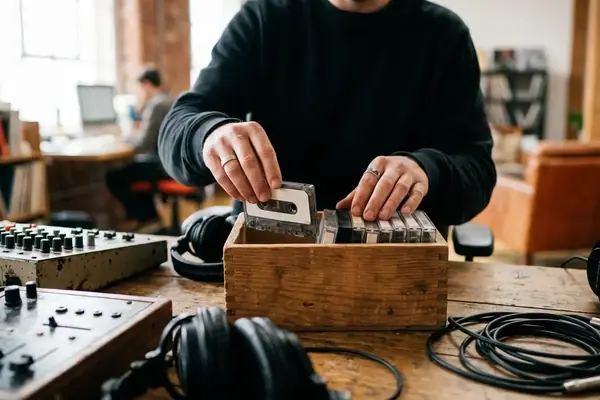
While digital links dominate email pitches, physical formats are experiencing a shift in listener appreciation. The tactile weight of a record or the mechanical click of a tape deck offers a permanence that streaming cannot replicate. Cassettes and vinyl are noted for their increasing popularity among underground music fans. Conversely, CDs are described as stagnating among modern listeners, requiring a clearer reason for pressing—such as radio servicing, archival preference, or a reviewer who still explicitly requests them.
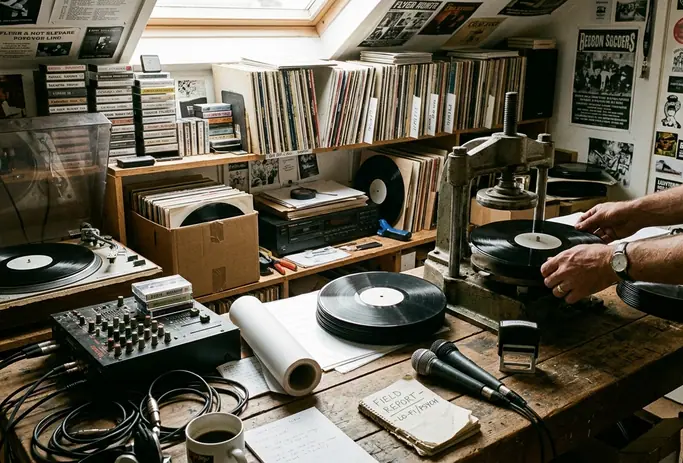
Physical pitching comes after the digital pitch proves there is a natural audience. Independent journalist Charles Johnson notes that identifying curators who review records, tapes, zines, or merch-table culture is a distinct phase of the campaign. Always ask for a mailing address before sending vinyl, tape, or CD. Include the format, pressing quantity if public, catalog number if used, and whether a download code is included.
For physical review timing, mail domestic copies three to five weeks before the desired coverage window. International copies require more lead time; mail them roughly five to eight weeks before that window. Context dictates impact. A cassette can strengthen a lo-fi release pitch for tape-focused zines, while the same cassette detail may be entirely irrelevant to a streaming-only newsletter. Santa Rosa Records consistently finds that cassettes and vinyl fit underground collectors best when the artwork, limitation, or label identity is woven directly into the release narrative.