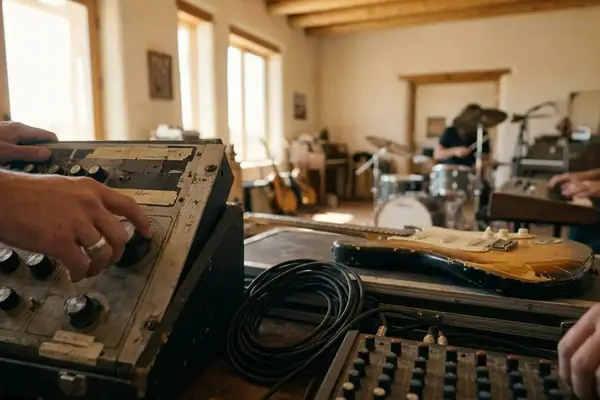
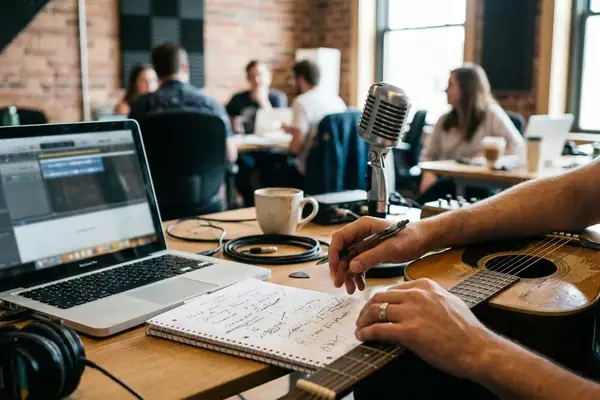
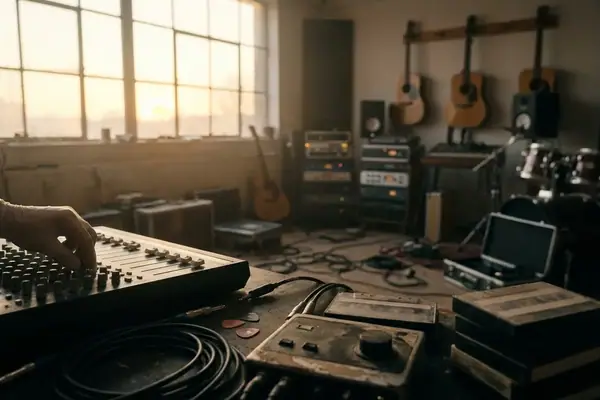
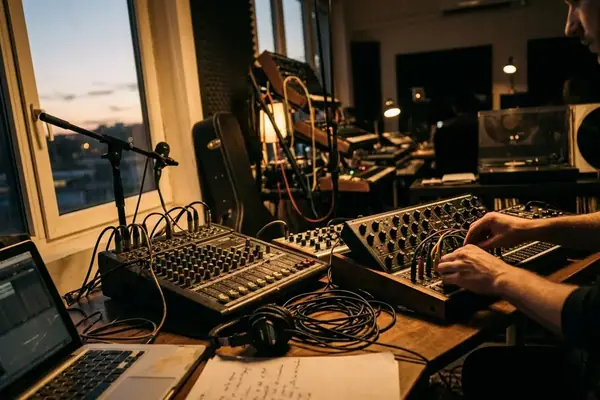
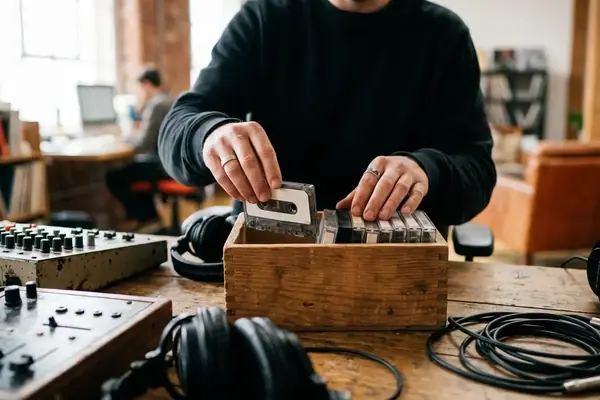
We are listening to the echoes of Far West Texas and the static of lo-fi bedroom recordings. Independent music thrives on oral history, relying on the stories told in cramped green rooms and alleyways behind venues to contextualize the art. An ethical underground interview functions as a collaborative, archival act of preserving an artist's authentic narrative. Successful conversations require deep preliminary research, adaptable audio techniques for chaotic environments, and an editing process that prioritizes the artist's natural cadence and explicit consent. Trust remains the absolute currency of the underground scene. Breaking that trust for a sensational headline severs access permanently.
The foundation of this trust begins long before anyone sits down to talk. Write a one-paragraph editorial purpose before outreach stating the intended format, likely subjects, recording method, and whether excerpts may appear in promotional posts. Send the artist the publication format and consent terms 48–96 hours before the scheduled conversation. Confirm these terms verbally before recording begins. Transparency here sets the baseline for a respectful exchange.
Constructing Psychological Safety Before Pressing Record
Begin with records made by the artist rather than relying on the standard press release. Listen chronologically through their discography. Read prior interviews to understand what ground has already been covered. Inspect liner notes and credits meticulously. Identify changes in personnel, location, instrumentation, or lyrical focus. Use those findings to build a question path moving gradually from verifiable work toward more personal subjects.
Drawing on a review of the Santa Rosa Records archives, the most revealing conversations stem from rigorous, source-led preparation. Prepare from at least two primary sources, such as the artist's recordings and self-published notes, plus one independent source. Log each usable fact beside its source to maintain accuracy during the flow of conversation.
Establishing the Pre-Tape Boundaries
Reserve 10–20 minutes before recording to identify sensitive areas and define exactly what 'off the record' means for this specific session. Confirm the expected interview length to respect the artist's schedule. Establish a hand signal or spoken phrase for pausing the recording. That boundary conversation creates a zone of psychological safety, especially when meeting in inherently chaotic spaces like dive bar patios or crowded merchandise tables.
Taming Hostile Acoustics in Dive Bars and Basements
Underground music rarely affords the luxury of a soundproof studio. Address the technical realities of recording in hostile audio environments immediately upon arrival. Listen carefully before setting up any equipment. Identify speaker stacks, refrigeration motors, traffic gaps, reflective walls, and doors that repeatedly open. Choose the position with the strongest voice-to-noise ratio.
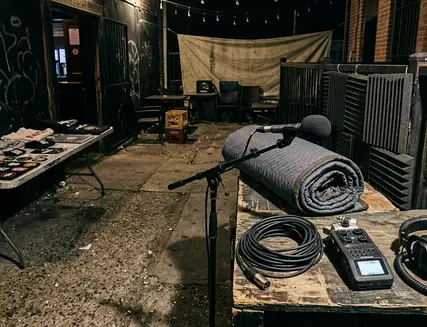
Place a handheld cardioid dynamic microphone approximately 5–10 centimeters from the speaker's mouth. Aim the capsule slightly off-axis to reduce plosives and harsh consonant sounds. Monitor the input so ordinary speech peaks roughly between -12 and -6 dBFS. Capture 30–60 seconds of room tone and record a 45–90 second test before the interview begins. When possible, wait 3–8 minutes for a soundcheck, kitchen cycle, or passing crowd to subside.
Preserve the conversational flow by making necessary technical corrections swiftly and quietly. While off-axis rejection can suppress alley noise and speaker spill, a quiet vocalist recorded in a concrete basement or reverberant venue will still carry audible room reflections and music bleed. The final mix must be represented honestly as a location recording.
Transcribing the Grain of the Human Voice
Create a verbatim transcript first. Mark pauses, laughter, interruptions, uncertain words, and local expressions before making any editorial cuts. The philosophy of ethical transcription demands preserving the artist's unique regional dialect and conversational cadence. Sanding away these rough edges erases the very authenticity that defines independent music.
Build the edit around complete thoughts. Verify factual claims made during the heat of conversation against recordings, credits, dated posts, or direct follow-up. Retain timestamps at least every 30–60 seconds in the working transcript. Review a minimum of 60–90 seconds on both sides of each proposed pull quote before approving it. Checking the surrounding context keeps isolated statements tied to the broader conversation.
The Ethics of the Follow-Up
Send factual or sensitivity queries within 24–72 hours after the first edit. Provide a defined response window of 2–5 business days, with any deadline stated clearly in the original message. This process aligns directly with the journalistic principle of minimizing harm, giving the artist a fair opportunity to clarify complex or sensitive subjects.
Mapping the Source Audio Across Multiple Formats
Turn one deeply researched conversation into multiple formats while maintaining the contextual integrity of the artist's voice. Establish the longform interview or feature as the definitive source record. Derive the podcast cut, transcript excerpts, captions, and promotional clips strictly from that approved context.
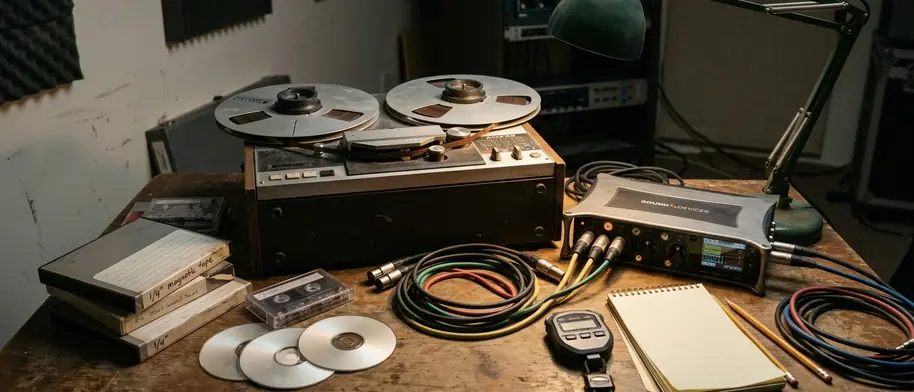
Maintain a source map linking every excerpt to its timestamp and transcript paragraph. For each promotional excerpt, preserve its source timestamp, the interviewer prompt, and at least one surrounding transcript paragraph in the internal edit log. Each shorter format receives a fresh context check to guarantee that a striking line remains attached to its original question, hesitation, or qualification.
Schedule the longform publication and full audio within a 0–72 hour window of each other. Release contextual excerpts over the following 7–14 days. Presenting these pieces as a cohesive rollout honors the depth of the original conversation.
Defending the Nuance at the Finish Line
The patio-to-pull-quote chain—source-led preparation, pre-tape boundaries, close-mic capture, timestamped transcription, contextual excerpting, and final headline verification—forms the backbone of a trustworthy publication. Before publication, compare the headline, deck, pull quotes, audio trailer, and social captions against the complete interview.
Run one final context pass across every headline and excerpt during the last 12–24 hours before publication. Check each item directly against the transcript and source audio. If any element implies a stronger accusation, certainty, conflict, or confession than the artist actually expressed, revise it immediately. Keep the consent record, raw audio, edit decisions, fact-check sources, and final transcript together for at least 12–24 months so later disputes can be assessed against the original exchange.
Always choose the artist's authentic, nuanced truth over a sensationalized, out-of-context viral quote.